 zain
zain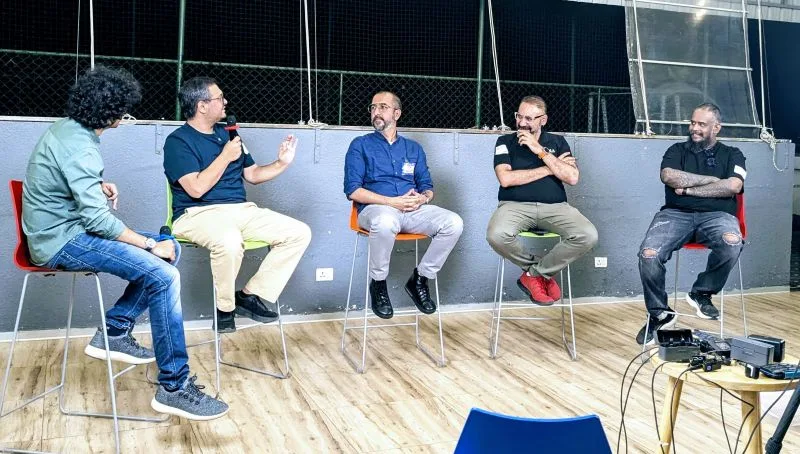
Draft: Zain's voice pass pending. Adapted from a LinkedIn post; he reviews before this publishes.
I attended the DeVC Dugout: AI x Design meetup at the Razorpay office, one of the more thought-provoking design conversations I've been part of recently. The question on the table: how does AI change the way we design?
Saurabh Soni (Razorpay) described their team's AI-first workflow: ChatGPT for layout/content generation, Midjourney for graphics, Bolt to turn Figma files into production-ready code. His point: tools have never been easier. Your structure and intent are what actually matter now.
Harish Sivaramakrishnan (CRED) made a distinction I keep coming back to: hand-and-mouse time may shrink, but design taste and judgment matter more, not less. "Your design isn't going away. Your time spent crafting might. Good taste, however, is hard to beat."
Jayawant Tewari (Microsoft) argued we're heading toward a world where the UI itself becomes less relevant, as AI teleports users from intent straight to outcome. We're not just designing screens anymore. We're designing intelligent experiences.
Sunit S. (Krutrim) described mature AI teams pushing into custom GPTs, synthetic user testing, and AI-powered design feedback: training a model on your own design principles so it can run design reviews or simulate user personas. It means junior designers get instant, on-brand feedback, raising the quality bar at scale.
My honest takeaway
AI won't replace designers. Designers who embrace it thoughtfully will likely outpace those who don't. What stays timeless is taste and the drive to make something meaningful, the how of getting there is what's shifting fast. If you're a designer, PM, or founder, now's a reasonable time to start folding AI into your actual workflow. Start small, experiment often.